


Should I Buy a Home or Rent?
Buying and renting can both be good choices. The better option depends on your full housing costs, savings, expected length of stay and appetite for the various responsibilities of homeownership.
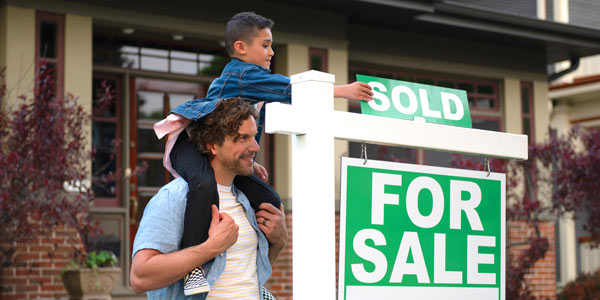
Instead, choosing between a home loan and rent is highly dependent on your budget, expected length of stay, available cash for a down payment and whether you actually want the responsibilities of homeownership.
Start With These Questions
- Can you afford the full cost of buying, not only the monthly mortgage payment?
- Do you have enough cash for a down payment, closing costs, moving costs, repairs and unexpected expenses?
- How long do you realistically expect to stay in the home or area?
- Are you prepared to manage maintenance, repairs and contractor decisions?
- Would renting give you flexibility that is valuable for your work, family, education or finances?
Your answers matter more than a general claim that buying or renting is always better.
Compare the Full Cost of Renting and Buying
A monthly mortgage payment is only part of homeownership. Rent is not always a renter’s only housing cost, either.
Compare similar homes and rentals in the same area, size range and condition. Comparing a larger or newer home with a smaller rental does not give you a useful rent-versus-buy comparison.
| Cost type | Renting | Buying |
|---|---|---|
| Upfront costs | Application or move-in fees, security deposit | Down payment, closing costs, prepaid taxes and insurance |
| Monthly costs | Rent, renters insurance, utilities, parking | Principal and interest, associated property taxes, homeowners insurance, HOA or condo fees, mortgage insurance if required, and utilities for the home |
| Ongoing costs | Rent increases at renewal, lease-related charges | Maintenance, repairs, changing property taxes, insurance costs, HOA or condo fees |
| Costs when leaving | Moving costs and possible lease-break fees | Moving costs, selling costs and the risk that the home may be worth less than expected |
Mortgage closing costs can include lender fees, prepaid interest, homeowners insurance, property taxes and other expenses. A total monthly mortgage payment may also include property taxes, homeowners insurance and mortgage insurance.¹
Your local market will strongly influence whether renting or buying costs less in the long run; property taxes, homeowners insurance, HOA or condo fees and selling costs can vary widely by location and property. But those are not the only factors.
The financial terms and interest rate of your home loan, the individual property type and your anticipated length of stay will also factor into your calculations.
How Long Do You Expect to Stay?
Buying involves upfront costs, and selling later also involves costs. If you move before those costs have been spread over your time in the home, buying may cost more than renting. A job change, family needs or another life event may also require you to move earlier than planned.
Renting generally makes moving easier at the end of a lease because you do not need to sell a property. Buying may fit better when you expect to stay long enough for the upfront costs and eventual selling costs to make sense.
A break-even period is the estimated time it may take for buying costs to compare favorably with renting, based on your assumptions. It is not a guarantee. If your timeline is uncertain, consider using a rent-versus-buy calculator to compare the costs associated with shorter and longer expected stays in the property.
When Renting May Be the Better Fit
Renting may be a better fit if you:
- Expect to relocate for work, family, school or another reason.
- Are unsure where you want to live long term.
- Have limited savings after covering move-in costs.
- Need time to improve credit or reduce debt before applying for a mortgage.
- Prefer not to manage maintenance, repairs, yardwork or contractor decisions.
- Want to keep more money available for savings, investments or other priorities.
Your lease and property type determine your responsibilities as a renter. For example, someone renting a single-family home may be responsible for handling utilities, minor upkeep, snow removal or lawn care. Be sure to review the lease carefully to understand who is responsible for repairs and maintenance, as these will factor into your break-even calculations.
When Buying May Be the Better Fit
Buying a property may be a good fit if you:
- Have job stability resulting in reliable income and manageable or low monthly debt.
- Can cover a down payment, closing costs and cash reserves for unexpected expenses.
- Can afford the full monthly cost of owning, including taxes, insurance, fees, maintenance and repairs.
- Expect to stay in the area long enough for transaction costs to make sense.
- Want to make changes to your home, subject to local rules and HOA or condo requirements.
- Are prepared to arrange and pay for maintenance and repairs.
When a furnace fails, a roof leaks or a pipe bursts, the homeowner must decide what to do and pay for the repair.
How Buying Can Build Equity—and Its Limits
Equity is the difference between your home’s market value and the amount you still owe on your mortgage.
Your home’s equity can increase when you pay down your mortgage balance or when your home’s value rises. It can decrease if home values fall. If values decline enough, you could owe more on the mortgage than the home is worth.
Paying down your mortgage principal reduces what you owe, while market value can rise or fall.
Rent payments do not build equity. However, rent is not “throwaway” money. It pays for housing and may provide flexibility and reduced responsibility for major home repairs.
A down payment also has an opportunity cost. Money used for a down payment cannot remain available for savings, investments, debt repayment or other financial priorities.
Monthly Payment Stability: What It Does and Does Not Mean
A fixed-rate mortgage generally keeps the principal and interest portion of your payment unchanged as long as you make scheduled payments. This can make budgeting easier than a lease that may renew at a higher rent.
A fixed-rate mortgage does not make every housing cost fixed, however. Property taxes, homeowners insurance, HOA or condo fees, maintenance and repairs can change over time.²
Do Not Assume Buying Will Lower Your Taxes
Some homeowners may qualify for a home mortgage interest deduction, but as the IRS notes, it is not automatic. Eligibility depends on tax rules, including whether you itemize deductions, the type of debt and how the loan proceeds.
Consider tax benefits only after reviewing your situation with a qualified tax professional. Do not make a buy-versus-rent decision based on assumed tax savings alone.
How to Use a Rent-Versus-Buy Calculator
A rent-versus-buy calculator can help you compare realistic scenarios. It cannot predict the future or guarantee that buying or renting will be better.
Start by comparing a rental and a home that are similar in size, location and condition. Then enter assumptions for:
- Home price
- Monthly rent
- Down payment
- Mortgage rate and loan term
- Property taxes
- Homeowners insurance
- HOA or condo fees
- Mortgage insurance, if applicable
- Maintenance and home repair costs
- Expected rent changes
- Expected length of stay
- Estimated selling costs
Run scenarios with different assumptions. Consider what could happen if you move earlier than planned, if home values remain flat or if rent changes differently than expected. Calculator results depend on the assumptions you enter, including future economic conditions.
A break-even result is an estimate based on your assumptions, not a promise about future costs or home values.
Make the Decision Based on Your Situation
Buying isn't always better than renting, and renting isn't a failure to plan. The right choice fits your finances, timeline, housing needs and willingness to take on homeownership responsibilities.
Before deciding, compare similar housing options, review your cash reserves and use a rent-versus-buy calculator with realistic assumptions. If buying fits your plans, speak with a loan officer about financing options and review your tax situation with a qualified tax professional.
Buying or Renting a Home Frequently Asked Questions

Is renting throwing money away?
No. Rent pays for a place to live and may provide flexibility that matters for your finances and lifestyle. Buying can build equity, but it also creates costs and responsibilities that renting may avoid.
Does a mortgage payment equal the cost of owning?
No. Your total ownership cost can include principal and interest, property taxes, homeowners insurance, HOA or condo fees, mortgage insurance, utilities, maintenance, repairs, closing costs and selling costs.¹
Is it smart to buy a house instead of rent?
It can be smart when you can afford the full cost of homeownership, expect to stay long enough for transaction costs to make sense and are ready to manage maintenance and repairs. It is not automatically the better financial choice.
What is the rent-versus-buy screening rule?
Some people use informal rules of thumb to compare rent with estimated unrecoverable ownership costs. These shortcuts can support an initial review, but they do not replace a full comparison of local costs, financing, expected length of stay, taxes, insurance, maintenance and selling costs.
Should I use all my savings for a down payment?
No. A down payment isn't the only cash you need when buying a home. When deciding how much cash to keep in reserve, consider closing costs, moving costs, immediate repairs, maintenance and unexpected expenses.
Sources
1. https://www.consumerfinance.gov/ask-cfpb/what-costs-come-with-taking-out-a-mortgage-en-153/
2. https://www.consumerfinance.gov/ask-cfpb/why-did-my-monthly-mortgage-payment-go-up-or-change-en-213/



Loan products are offered by Associated Bank, N.A., and are subject to credit approval and involve interest and other costs. Please ask about details on fees and terms and conditions of these products. Property insurance and flood insurance, if applicable, will be required on collateral. (1050)